Rainbow Trout Caught on Lake Ontario in Mississauga
Rainbow Trout Fishing in Mississauga - What to Expect

Fishing Charter by Captain Joseph Ward in December
- Unforgettable Lake Ontario Fishing Charters!


Summary
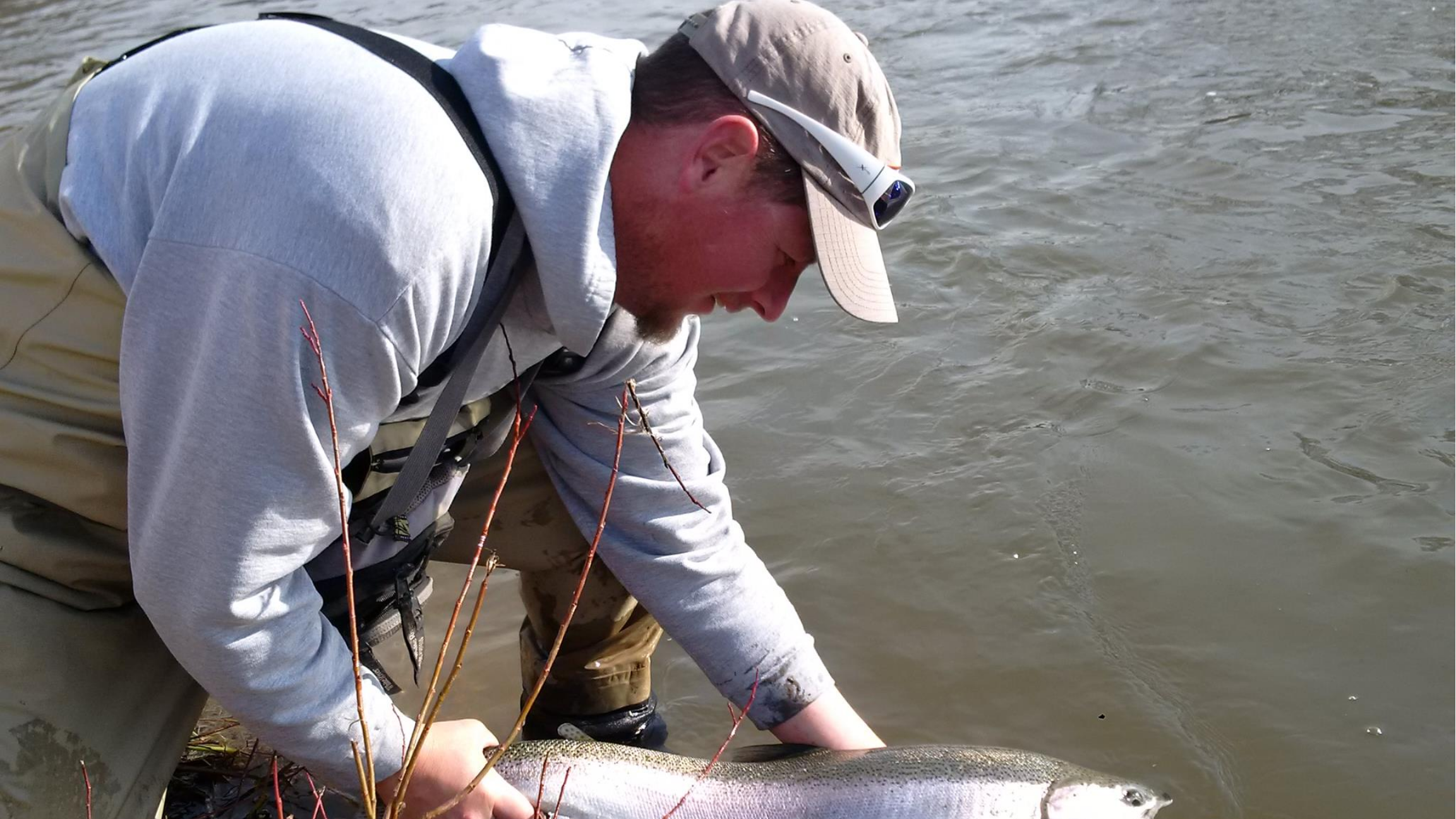
On Thursday, January 9th, this impressive 21-inch rainbow trout was landed during a fishing charter on Lake Ontario in Mississauga. Captain Joseph Ward of Bluewater Fishing Adventures guided anglers through prime waters where big trout patrol the depths, delivering the kind of memorable moments that make fishing expeditions truly special.
Fishing Charter with Captain Joseph Ward - Rates & Booking
Captain Joseph Ward of Bluewater Fishing Adventures welcomes anglers to Lake Ontario on Thursday, January 9th for an unforgettable fishing charter. This guided experience targets trophy-class fish in one of the region's most productive waters. Whether you're a seasoned angler or stepping into freshwater fishing for the first time, this charter is structured to maximize your chances of landing quality catches while soaking in the natural beauty of Ontario's premier lake.
The fishing charter includes everything needed for a successful day on the water - tackle, expertise, and access to proven fishing grounds. Captain Ward's local knowledge of Lake Ontario's seasonal patterns and prime fishing locations ensures your time on the water is both productive and immersive. To reserve your spot and discuss specific preferences, contact Bluewater Fishing Adventures directly for current rates and availability.
Highlights of Your Lake Ontario Experience
This charter delivers the kind of catch that anglers dream about. The 21-inch rainbow trout pictured here represents exactly the caliber of fish swimming in Lake Ontario's depths - strong, colorful, and worthy of the effort. Rainbow trout in these waters grow impressive sizes, drawing dedicated anglers from across the region seeking trophy potential combined with genuine sport fishing challenges.
Lake Ontario itself creates an ideal backdrop for fishing adventures. The expansive water, varied depths, and rich ecosystem support healthy populations of premium gamefish. Early January fishing taps into peak conditions when trout are actively feeding, making this an optimal time to pursue big fish in a dynamic, ever-changing water environment.
Local Species Insights: Rainbow Trout
Rainbow trout thrive in Lake Ontario's cool, oxygenated waters, where they've become one of the most sought-after species for charter fishing. These fish are instantly recognizable by their distinctive horizontal band running from gill to tail - a deep crimson or pink stripe that intensifies during certain seasons. What makes rainbows particularly rewarding targets is their combination of size potential, aggressive feeding behavior, and the visual spectacle they present both in the water and in hand.
In Lake Ontario, rainbow trout occupy diverse depth zones depending on season and time of day. They migrate through structural zones where they hunt baitfish, making them predictable targets for anglers who understand these patterns. The trout pictured here - at 21 inches - represents a solid-sized specimen, strong enough to create real fight and challenge on the rod, yet typical enough to suggest consistent opportunity throughout the season.
Rainbow trout behavior shifts with water temperature and light conditions. During winter and early spring months, they often suspend at specific depths where food is plentiful and conditions are stable. They respond to varied techniques including trolling, jigging, and live baitfish presentations. Captain Joseph Ward's expertise lies in reading these patterns and positioning anglers exactly where active trout are feeding, turning knowledge into results.
The habitat surrounding Lake Ontario's rainbow trout fishery is notably diverse. Rocky structures, sudden drop-offs, and areas with moderate current create feeding zones where trout congregate. These environmental features aren't just background - they're essential to understanding why certain areas produce consistent catches while others remain quiet. A guide's ability to locate and work these zones directly translates to your success rate.
This particular charter experience captures what makes Lake Ontario special for rainbow trout enthusiasts. You're not fishing in a stocked pond or predictable small water - you're on a vast Great Lake ecosystem where genuine wild fishery dynamics play out. The trout are strong, the challenge is real, and success requires both skill and local understanding. That's precisely what Captain Ward brings to every outing.
Fishing in Lake Ontario: Rainbow Trout
Rainbow Trout Overview
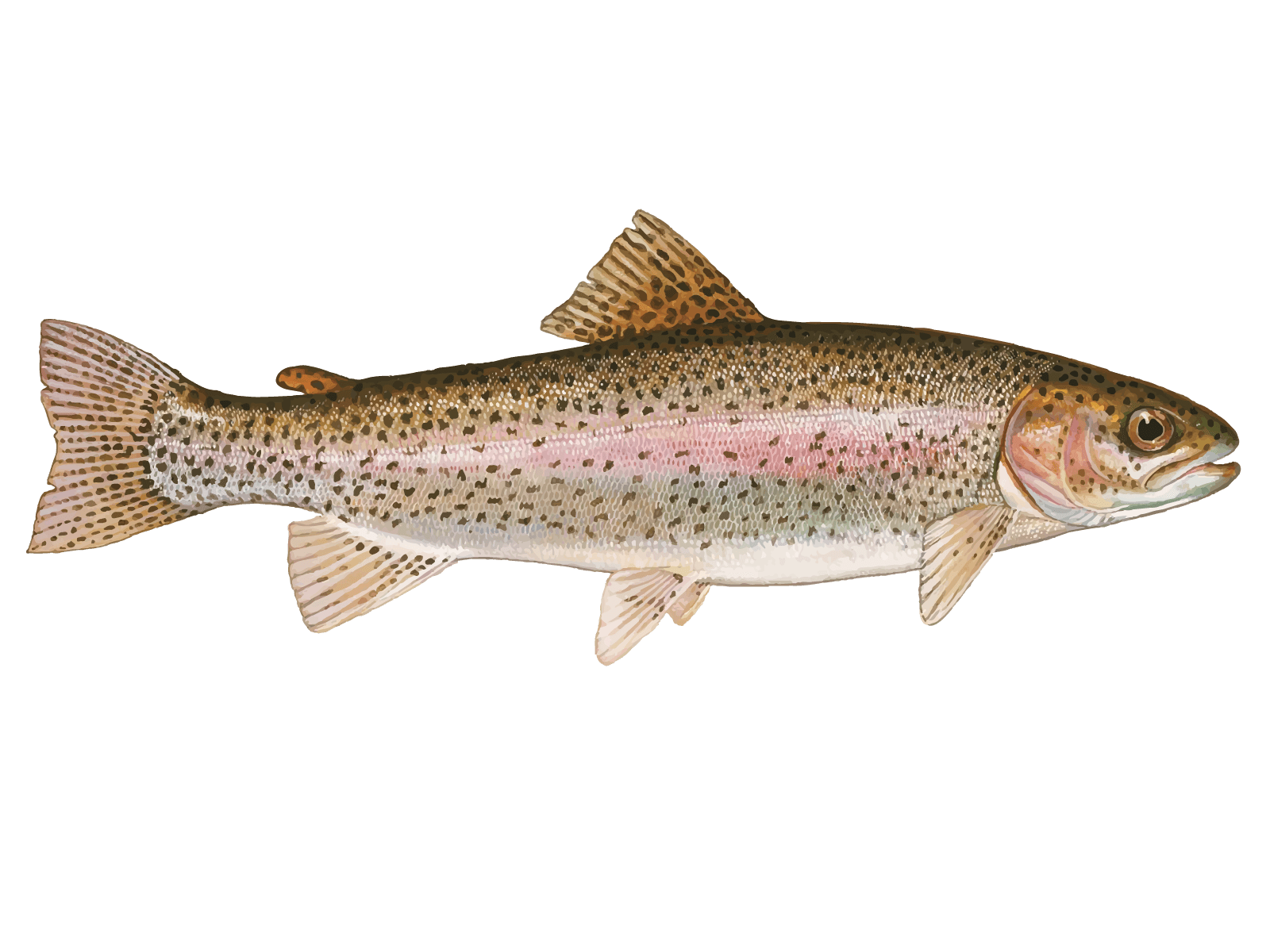
Rainbow Trout (Oncorhynchus Mykiss) is a premier game fish belonging to the family Salmonidae and order Salmoniformes. Known for their striking appearance—featuring vibrant pink, red, and purple stripes along silvery sides, combined with a bluish-green upper body and distinctive black spots—these fish have captivated anglers and outdoor enthusiasts for generations. What makes Rainbow Trout truly special is their incredible adaptability to different freshwater and saltwater environments, combined with their well-earned reputation as strong, acrobatic fighters when hooked. Whether you're planning a fishing trip in Colorado, Montana, or anywhere across North America, Rainbow Trout represent one of the most accessible and rewarding freshwater angling experiences available today.
Rainbow Trout Habitat and Distribution
Rainbow Trout are native to the Pacific coast of North America, ranging from Mexico to Alaska, as well as northeastern and central United States and the eastern coast of Asia. They thrive in freshwater bodies including rivers, streams, and lakes that maintain cool temperatures and strong currents. These fish prefer environments with abundant natural cover such as water vegetation, weeds, and gravelly shorelines where they can hide and feed comfortably. The species shows remarkable flexibility, thriving in streams with fast-flowing currents as well as in cool, deep waters of lakes and reservoirs. Because Rainbow Trout require pristine, clean water to survive, they serve as excellent indicators of environmental health and water quality. You'll find them concentrated in areas with ideal temperature ranges of 55°F to 64°F, though they can tolerate temperatures up to 70°F. Throughout North America, they inhabit some of the most scenic and majestic river systems, making them both a ecological treasure and a draw for outdoor recreation enthusiasts.
Rainbow Trout Size and Weight
Rainbow Trout display considerable size variation depending on their habitat, age, and gender. Typical specimens range from 16 to 34 inches in length, with an average weight between 1 to 8 pounds, making them a satisfying catch for anglers of all experience levels. The species can reach impressive proportions—the largest Rainbow Trout on record was caught in Canada in 2009 and weighed an astounding 48 pounds, demonstrating the tremendous growth potential these fish possess under ideal conditions. Most recreational anglers encounter fish in the 2 to 8-pound range, which provides excellent sport and makes for quality meals. Younger Rainbow Trout remain hidden until reaching 2 to 3 years of age, when they venture into deeper waters and continue their growth trajectory.
Rainbow Trout Diet and Behavior
Rainbow Trout are opportunistic predators with diverse feeding habits that change seasonally and based on water conditions. These fish primarily feed on aquatic insects, small fish, and crustaceans, actively hunting near the surface and in deeper water columns depending on time of day and season. They're also known to consume fish eggs, other Rainbow Trout, and even leftover carcasses, demonstrating their adaptable nature as hunters. Their feeding patterns peak during dusk and late evening hours, making these times ideal for anglers. During summer months when water temperatures rise, Rainbow Trout retreat to cooler depths to maintain their metabolism and seek oxygen-rich environments. The species is known for its aggressive feeding response and acrobatic behavior when pursuing prey, characteristics that translate into exciting fishing experiences. Their behavior is largely influenced by water temperature, light levels, and food availability, all factors that experienced anglers consider when planning their approach.
Rainbow Trout Spawning and Seasonal Activity
Rainbow Trout enter their spawning season during late winter through early summer, with peak activity typically occurring in spring. During this reproductive period, males seek shallow areas with gravel substrate and clear water inlets or outlets, where females deposit their eggs. The spawning habitat selection is critical for reproductive success, with gravel beds providing ideal conditions for egg development and protection. Depending on water temperature conditions, eggs hatch anywhere from a few weeks to four months after fertilization. After hatching, young Rainbow Trout (called fry) remain hidden in protective cover until reaching 2 to 3 years of age, at which point they venture into deeper, more open waters. The species reaches sexual maturity and begins spawning at ages 3 to 4 years old. Understanding these seasonal patterns is crucial for both conservation and successful angling, as spawning fish behave differently and often require specialized approaches or may be protected during sensitive periods.
Rainbow Trout Techniques for Observation and Capture
Successfully catching Rainbow Trout requires understanding their habitat preferences and feeding behavior. Fly fishing stands as the most popular and effective method, with techniques including nymphing fly fishing, dry fly fishing for rising fish, emerger and bugger presentations. Use lightweight rods between 7-9 feet in length with a weight rating of 3-5, allowing for accurate casting and sensitive presentations. Spin fishing methods prove equally effective, employing spoons, spinners, and plugs retrieved at varying speeds, or drifting artificial lures below bobbers to mimic natural prey movement. Live and prepared baits including worms, roe, and egg sacs work exceptionally well, particularly when kept slightly off the bottom in moderate current. Fish during early morning hours, late afternoon, and especially around dusk when Rainbow Trout feed most actively. Target gravelly shorelines, areas with current breaks behind boulders, and transitions between shallow and deep water. Around areas like the San Juan River in New Mexico or the Eagle River in Colorado, nymphing techniques during spring and fall produce exceptional results, with local guides recommending small weighted nymphs in sizes 14-18. The key to consistent success involves matching your presentation to current water conditions, observing insect hatches, and adjusting your approach based on seasonal water temperatures and flow rates.
Rainbow Trout Culinary and Utilization Notes
Rainbow Trout ranks among the finest eating fish available to anglers, prized for its distinctive pink flesh and mild flavor with subtle nutty undertones that pair beautifully with herbs like thyme and rosemary. The flesh quality and flavor intensity can vary based on the fish's diet and habitat, with stream-caught specimens often exhibiting richer flavors than hatchery-raised fish. Culinary preparation methods are wonderfully diverse—grilling whole fish over an open fire brings out natural flavors, baking with simple seasonings preserves delicate texture, and frying delivers crispy skin and moist flesh. From a nutritional standpoint, Rainbow Trout provides exceptional health benefits, delivering high levels of omega-3 fatty acids essential for cardiovascular health and cognitive function. These healthy fats have been linked to reduced risk of heart disease, improved brain function, and decreased inflammation throughout the body. Whether prepared simply at a riverside camp or elaborately in a fine dining establishment, Rainbow Trout offers both excellent eating quality and genuine nutritional value, making them both a recreational pursuit and a sustainable protein source. Many anglers find the experience of catching, preparing, and enjoying Rainbow Trout fresh in nature to be among the most rewarding aspects of their outdoor adventures.
Rainbow Trout Frequently Asked Questions
Q: What is the best bait and lure combination for catching Rainbow Trout?
A: Success depends on season and water conditions. Live worms, roe, and egg sacs work exceptionally well year-round, particularly in spring and fall. For lure-based approaches, spoons and spinners in sizes 1/4 to 1/2 ounce produce consistently, while flies—including nymphs, dry flies, and emergers—prove most effective during spring hatches. Matching your presentation to current insect activity and water clarity dramatically improves your success rate.
Q: Where can I find Rainbow Trout populations and prime fishing locations?
A: Rainbow Trout inhabit streams, rivers, and lakes throughout North America from the Pacific coast to the eastern United States. Prime locations include the Snake River in Idaho, the South Platte River in Colorado, the Deschutes River in Oregon, and countless smaller streams across the Rocky Mountain region. Local fly shops and state wildlife agencies can provide current conditions and access information for your specific area.
Q: Is Rainbow Trout considered good to eat, and what nutritional benefits do they provide?
A: Absolutely—Rainbow Trout is excellent eating with pink, mild-flavored flesh that accepts diverse preparation methods. The fish provides exceptional nutritional value through high omega-3 fatty acid content, supporting heart health, brain function, and reducing inflammation. Most anglers consider fresh-caught Rainbow Trout a delicacy, and the eating quality ranks among the finest freshwater fish available.
Q: When is the best time of year and time of day to fish for Rainbow Trout?
A: Spring and fall offer peak fishing opportunities during spawning season and when water temperatures reach ideal ranges of 55-64°F. During summer, water warming drives fish to cooler depths. Fish during low-light periods—early morning before sunrise, late afternoon, and especially dusk through evening—when Rainbow Trout feed most actively. Midday fishing is possible but typically less productive.
Q: How do I differentiate between Rainbow Trout and similar species like Steelhead?
A: Rainbow Trout and Steelhead are actually the same species—the key difference is lifestyle. Rainbow Trout spend their entire lives in freshwater rivers, streams, and lakes, maintaining their distinctive coloration with pink side stripes and spotted patterns. Steelhead are anadromous Rainbow Trout that migrate to saltwater for extended periods before returning to freshwater to spawn, typically appearing more silver and less colorful than resident Rainbow Trout.
Q: What equipment and rod specifications work best for Rainbow Trout fishing?
A: For fly fishing, use 7-9 foot rods with weight ratings of 3-5 weight, paired with floating lines and quality reels featuring smooth drag systems. Spin fishermen benefit from light to medium-light rods (5-6 feet) with 4-8 pound test line, allowing precise casting and sensitive bite detection. Regardless of method, quality drag systems, sharp hooks, and appropriate line weight matching your target water and fish size prove essential for consistent success and ethical catch practices.