Pink Salmon Caught in Mississauga - Fishing Charter
Pink Salmon Fishing in Mississauga - What to Expect

Fishing Charter by Captain Joseph Ward in December
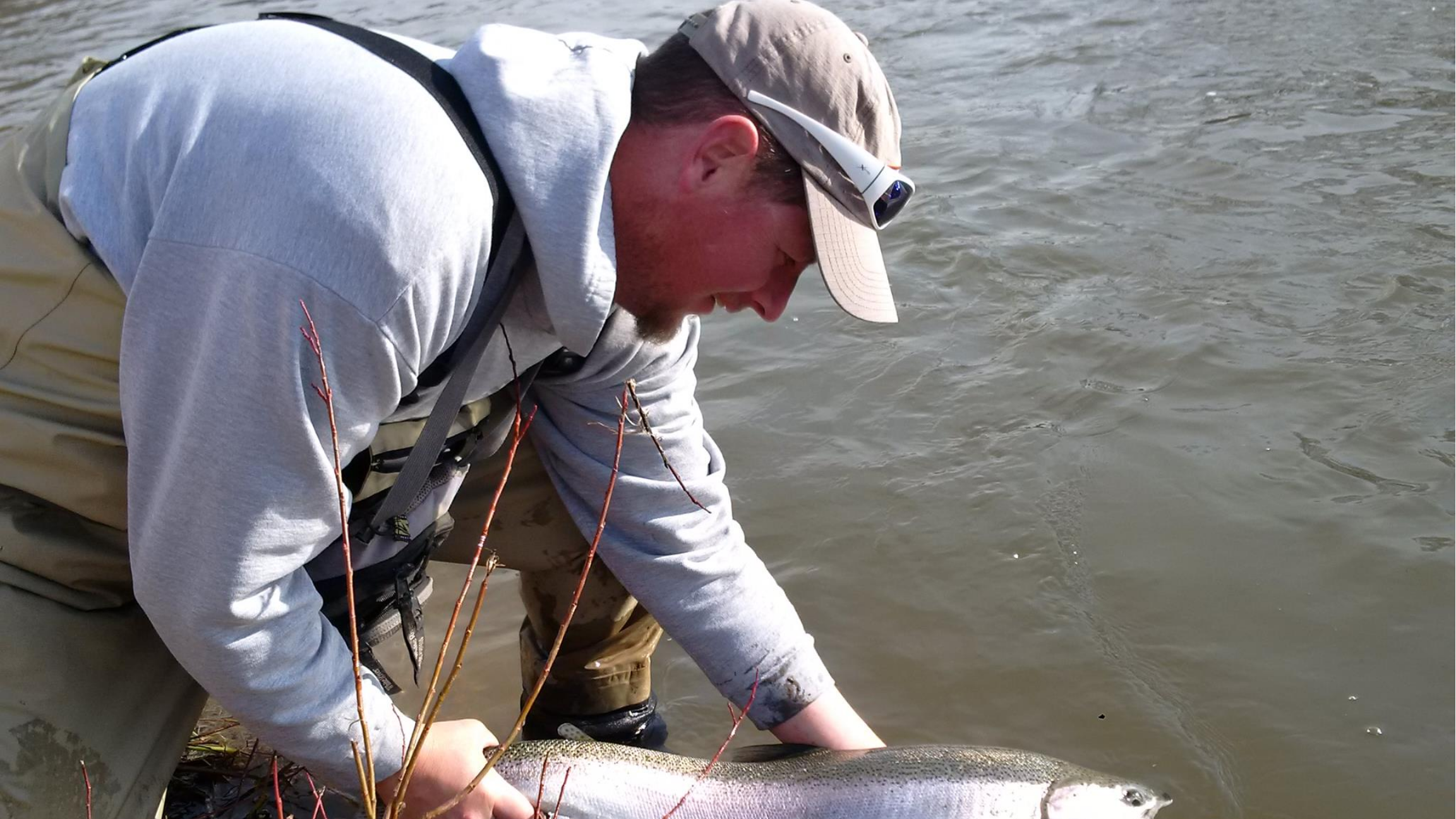
- Unforgettable Lake Ontario Fishing Charters!


Summary
Fishing for pink salmon on Lake Ontario in Mississauga delivers an authentic charter experience. Captain Joseph Ward of Bluewater Fishing Adventures guided this successful outing on Thursday, January 9th, showcasing what a well-executed fishing charter looks like when everything comes together on the water.
Fishing Charter with Captain Joseph Ward - Rates & Booking
Captain Joseph Ward of Bluewater Fishing Adventures led this fishing charter on Thursday, January 9th, delivering exactly what you hope for when you head out on Lake Ontario. The day resulted in a solid pink salmon catch that showcased the fishing potential around Mississauga.
If you're looking to experience similar success, Bluewater Fishing Adventures offers tailored fishing charters designed for both seasoned anglers and those new to the sport. Captain Ward brings local expertise and genuine knowledge of Lake Ontario's waters and seasonal patterns. When you book a charter, you're getting someone who knows where the fish are and how to put you in position to catch them.
Contact Bluewater Fishing Adventures directly to discuss your charter dates, group size, and specific fishing interests. Captain Ward will walk you through what to expect and help you prepare for your time on the water.
Highlights of This Fishing Charter
Pink salmon have a reputation for being spirited fighters, and this catch demonstrates why they attract serious anglers to Lake Ontario. The clear documentation of this catch reflects the authentic fishing experience that Captain Ward consistently delivers. Whether you're chasing pink salmon, pursuing other Lake Ontario species, or simply want a day on the water with someone who knows the fishery, this charter represents the kind of genuine, productive experience you can expect.
The moment of landing a pink salmon carries real satisfaction. It's the result of proper technique, good timing, and fishing in the right locations - all things that a knowledgeable captain brings to every trip.
Local Species Insights: Pink Salmon
Pink salmon in Lake Ontario represent a fascinating part of the region's fishery. These fish are known for their aggressive feeding behavior and willingness to take well-presented lures and baits. They're medium-sized fish that put up genuine resistance when hooked, making them rewarding targets for anglers of various skill levels.
Pink salmon prefer cooler water temperatures and are often more active during spring and fall months, though Lake Ontario's conditions support year-round fishing opportunities. They typically relate to deeper structures and current breaks where they can feed efficiently. The environment around Mississauga on Lake Ontario offers excellent holding areas for these fish.
What makes pink salmon fishing rewarding is the combination of the fight they put up and the relative predictability of their behavior. They respond well to both active retrieves and subtle presentations depending on water conditions. Captain Ward's knowledge of how to read Lake Ontario's conditions and adjust tactics accordingly is what separates a memorable day on the water from just being out there.
The fishing charter experience itself - being guided by someone who understands the water, the species, and the techniques - elevates the entire day. You're not just fishing; you're learning how to fish these waters effectively, understanding what drives fish behavior, and building skills you can use on future trips.
Fishing in Lake Ontario: Pink Salmon
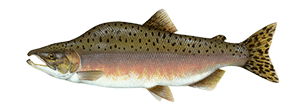
Pink Salmon Overview
The Pink Salmon (Oncorhynchus Gorbuscha) is a member of the Salmonidae family within the order Salmoniformes, making it part of one of the most prized fish families in the world. Also affectionately known as the Humpback Salmon, this species is the smallest yet most abundant of all Pacific Salmon. What sets them apart visually is their characteristic slight hump on their back—a feature that inspired their common name and makes them instantly recognizable to both seasoned anglers and newcomers to the sport. These fish are also notable for their large black oval spots covering their back and tail fins, as well as their deep forked tail structure. Unlike many salmon species, Pink Salmon lack teeth on their tongues, a unique adaptation that distinguishes them from their cousins. Whether you're fishing in pristine Alaska waters or exploring salmon runs across the Pacific Northwest, the Pink Salmon remains one of the most accessible and rewarding species to pursue.
Pink Salmon Habitat and Distribution
Pink Salmon are native to Pacific and Arctic coastal waters and rivers throughout North America and Asia, thriving in environments where cold, clean water flows freely. These fish are particularly abundant in rivers and streams, though they also inhabit creeks, lakes, and sea basins. They prefer water temperatures hovering around 10 degrees Celsius, which is why they're predominantly found in northern latitudes where such conditions persist year-round. The species follows a fascinating anadromous migration pattern, spending much of their lives in the ocean before returning to freshwater systems to spawn. Major populations can be found in Alaska, British Columbia, Washington State, and along the coasts of Japan and Russia. In freshwater systems, look for them in clear, fast-moving rivers with gravel bottoms—the ideal spawning substrate. Coastal onshore areas, particularly near river mouths and estuaries, are prime locations to encounter these fish during their runs.
Pink Salmon Size and Weight
Pink Salmon are notably smaller than their Pacific Salmon relatives, typically weighing between 3 to 5 pounds and measuring 20 to 30 inches in length. The average Pink Salmon encountered during typical fishing adventures weighs around 4.8 pounds, making them an ideal target for anglers of all skill levels. While most catches fall within this range, exceptional specimens have been recorded reaching up to 30 inches and weighing approximately 15 pounds—a remarkable size that makes for an unforgettable trophy. Their relatively modest size compared to Chinook or Coho Salmon doesn't diminish their fighting ability; in fact, pound-for-pound, Pink Salmon are known for their spirited resistance and acrobatic leaps, making them exciting to hook and land.
Pink Salmon Diet and Behavior
Pink Salmon are opportunistic feeders with a diet that shifts based on their life stage and environment. In their oceanic phase, they primarily consume plankton, which forms the foundation of their diet and contributes to their distinctive pink coloring—the crustaceans they eat contain natural pigments that stain their flesh pink. As they grow and mature, their palate expands to include smaller fish, squid, and occasionally aquatic insects. This diverse diet makes them responsive to a wide variety of lures and baits. During their spawning migration upstream, their feeding behavior diminishes considerably as they focus their energy on reproduction. In freshwater, they become less interested in food but remain aggressive toward artificial lures, likely due to territorial instincts rather than hunger. Their behavior is heavily influenced by their two-year life cycle, which is notably shorter than other Pacific Salmon species, creating predictable runs and abundant opportunities for anglers.
Pink Salmon Spawning and Seasonal Activity
Pink Salmon exhibit one of the most dramatic life cycles in the fish world, with a strictly two-year lifespan that creates highly predictable population cycles. Odd-year and even-year populations spawn in alternating years, which is why you'll notice Pink Salmon abundance fluctuates dramatically from year to year in many regions. Their spawning migration typically occurs in late summer through early fall, triggered by decreasing water temperatures and daylight hours. During their upstream migration, Pink Salmon undergo remarkable physical transformations: their sleek silver bodies develop deeper coloring, their distinctive hump becomes more pronounced, and their jaws become hooked. This transformation is so dramatic that some anglers barely recognize them as the same species they were months earlier in the ocean. Peak fishing season generally runs from July through September, coinciding with their upstream migration. Once they reach their spawning grounds—typically in clear, gravel-bottomed tributaries—they spawn and die, completing their life cycle.
Pink Salmon Techniques for Observation and Capture
Method 1: Casting with Artificial Lures
For casting, equip yourself with a medium-action rod paired with a reel capable of holding at least 150 yards of 8 to 10-pound test line. Brightly colored jigs are your best friends here—particularly pink jigs, which work on the theory that they mimic the appearance of crustaceans and fool the fish into striking. Many successful anglers enhance their jigs' attractiveness by smearing them with fish oil, herring oil, or squid oil before casting. The oils create a scent trail that draws Pink Salmon from considerable distances. Target deeper pools and current breaks in rivers, especially near the confluence of tributaries where fish rest during their upstream journey.
Method 2: Hoochie and Spoon Techniques
Pink hoochies—lures that resemble squid—are exceptionally effective, particularly in saltwater and nearshore environments. Pair these with a jigging motion to create a lifelike swimming action. Spoons in silver and pink finishes also produce excellent results, especially when worked near underwater structure. The flash and flutter of these lures appeal to the aggressive instincts of migrating salmon preparing to spawn.
Method 3: River Mouth and Estuary Fishing
Fish river mouths and estuaries during high tide when saltwater pushes upstream, concentrating the fish in predictable zones. Around popular Pacific Northwest fisheries, the confluence of major rivers with the ocean provides some of the most productive Pink Salmon fishing opportunities. Local guides in regions like Alaska and British Columbia often focus on these transition zones where freshwater meets salt water, as fish often pause here before committing fully to their upstream migration.
Pink Salmon are considered an excellent species for beginners—their abundance, aggressive feeding behavior, and willingness to strike lures make them perfect for anglers just starting to mimic professional techniques and gain confidence on the water.
Pink Salmon Culinary and Utilization Notes
Pink Salmon has earned its place as a beloved food fish, prized for its distinctive pink flesh and nutritional profile. The pink coloring comes directly from the carotenoid pigments in crustaceans they consume—eat the crustaceans, and you get the pigmented flesh. This fish is rich in omega-3 fatty acids, making it a heart-healthy protein choice, though those with elevated uric acid levels should consume it in moderation as it may contribute to gout. Culinary versatility is one of the Pink Salmon's greatest strengths: it can be smoked, baked, fried, or grilled with excellent results. Many chefs employ the poêle method, cooking the fish in its own juices to achieve a crispy exterior while maintaining a tender, moist interior. In Asian cuisines, Pink Salmon shines in multiple preparations—Japanese chefs serve it raw as sushi or nigiri (known as Sake), while Southeast Asian traditions feature it grilled or as part of Sinigang, a tangy tamarind soup typically containing vegetables like swamp cabbage, tomatoes, and eggplant. The belly is particularly prized for its concentrated omega-3 content and rich flavor, while Eastern culinary traditions often utilize the head for stocks and soups.
Pink Salmon Frequently Asked Questions
Q: What is the best bait and lure setup for catching Pink Salmon?
A: Brightly colored jigs—especially pink ones—enhanced with fish oil, herring oil, or squid oil are highly effective. Pink hoochies (squid-like lures) and silver or pink spoons also work well. Medium-action rods with 8 to 10-pound test reels are the standard setup. Live herring can be productive in certain situations, though artificial lures tend to outperform bait for Pink Salmon due to their aggressive nature during spawning runs.
Q: Where can I find Pink Salmon near major fishing destinations?
A: Pink Salmon are abundant throughout Alaska, British Columbia, and the Pacific Northwest. Look for them in river systems, particularly at river mouths and estuaries where freshwater meets salt water. Major rivers like the Chilkat, Taku, and Kenai in Alaska, plus countless British Columbia streams, experience significant runs. In Washington State, the Snoqualmie and Green Rivers provide excellent access. Timing your visit during July through September—peak spawning season—dramatically increases your success.
Q: Is Pink Salmon good to eat, and what's the healthiest way to prepare it?
A: Absolutely. Pink Salmon is excellent eating and an outstanding source of omega-3 fatty acids. For maximum health and flavor, consider baking, grilling, or the poêle method (cooking in its own juices for crispy skin). The belly portion contains the highest concentration of beneficial oils. However, those with gout or high uric acid should consume it in moderation. Raw preparations like sushi are safe if the fish has been properly handled and frozen according to food safety guidelines.
Q: When is the absolute best time to fish for Pink Salmon?
A: Late summer through early fall—typically July through September—marks peak season when fish are actively migrating upstream to spawn. Odd and even-year population cycles mean abundance varies by year, so check local fishing reports. Early morning and late evening typically provide the best action, as fish are less active and more cautious during bright midday hours.
Q: How do I identify a Pink Salmon from other salmon species?
A: Look for the distinctive slight hump on their back (particularly pronounced in spawning fish), large black oval spots on their back and tail, a deep forked tail, and their relatively small size compared to other Pacific Salmon. In spawning phase, their coloring shifts from bright silver to darker tones. An anal fin containing 13-17 soft rays is also a reliable identifier. If you're unsure, local fishing guides and marina staff can verify your catch immediately.
Q: Why do Pink Salmon populations vary so dramatically year to year?
A: Pink Salmon follow a strict two-year life cycle, and populations are segregated into odd-year and even-year runs. This means abundance alternates predictably between years. Some regions experience massive runs one year, followed by minimal populations the next year. This pattern is completely natural and makes salmon runs easier to predict—simply consult historical data for your target region to determine which year will offer the best fishing.